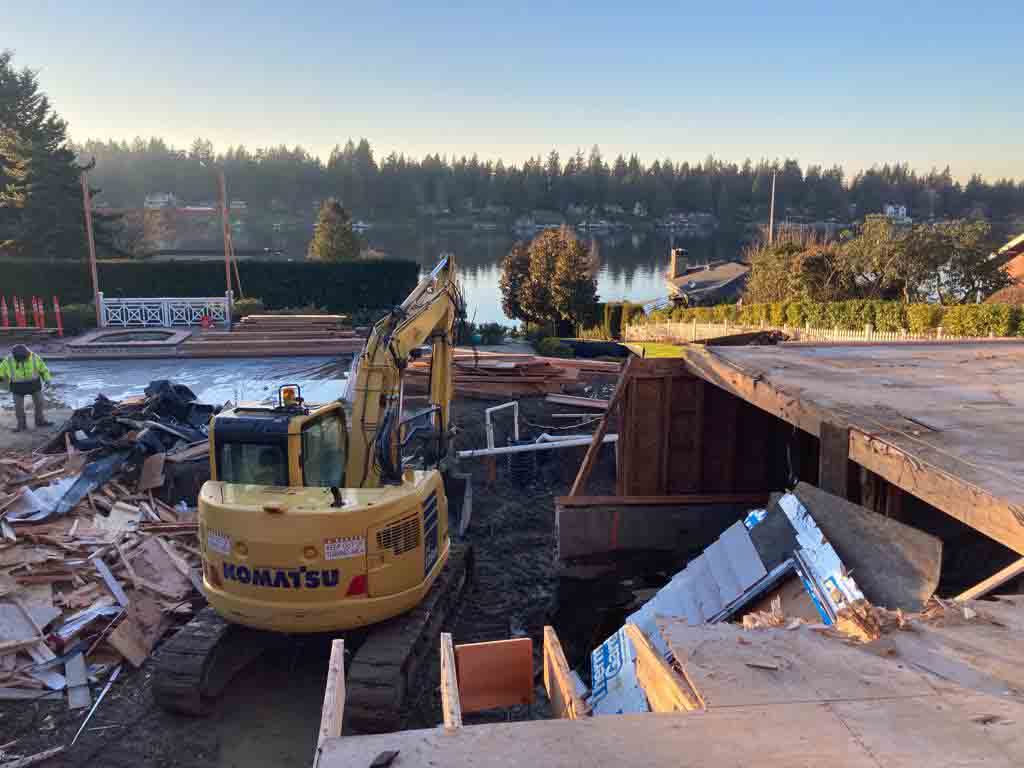
The Role of Excavation in Infrastructure Development
Excavation is a crucial component of infrastructure development, serving as the foundational step in various construction projects. From roads to bridges and buildings, excavation plays a significant role in shaping our urban landscapes. In this blog post, we will explore the importance of excavation in infrastructure development, the techniques involved, and its impact on the construction industry.
Understanding Excavation
Excavation involves the removal of soil, rock, or other materials from a site to create a cavity or hole. This process is essential for various construction projects, including:
- Building foundations
- Utility installation
- Road construction
- Landscaping
- Site preparation for residential or commercial properties
The Importance of Excavation in Infrastructure Development
Excavation plays a pivotal role in infrastructure development due to several factors:
- Foundation Support: Proper excavation ensures a stable base for buildings and structures.
- Utility Access: Excavation is necessary for the installation of water, sewer, and electrical lines.
- Site Safety: Properly excavated sites reduce the risk of soil erosion and landslides.
- Environmental Impact: Thoughtful excavation can help in managing water drainage and minimizing environmental disruption.
Excavation Techniques in Construction
Various excavation techniques are employed depending on the project requirements and site conditions. Some common methods include:
- Trenching: Used for laying foundations and utility lines.
- Bulk Excavation: Involves large-scale removal of soil or rock.
- Site Grading: Ensures proper drainage and prepares the site for construction.
- Dredging: Used in underwater excavation for waterways and harbors.
Challenges in Excavation
Excavation comes with its set of challenges that must be carefully managed to ensure project success. These include:
- Soil Conditions: Unforeseen soil types can complicate excavation.
- Weather Conditions: Rain, snow, and extreme temperatures can hinder progress.
- Underground Utilities: Existing utilities can pose risks during excavation.
- Regulatory Compliance: Adhering to local regulations and safety standards.
The Future of Excavation in Infrastructure Development
As technology advances, excavation methods continue to evolve. Innovations such as GPS-guided excavators and automated machinery are streamlining the excavation process, making it more efficient and precise.
Sustainability in Excavation
Sustainable practices are becoming increasingly important in excavation. Key trends include:
- Recycling excavated materials for reuse.
- Minimizing environmental disruption during excavation.
- Implementing erosion control measures.
Adoption of Smart Technology
Smart technology is transforming excavation with better planning and execution tools, such as:
- 3D modeling for precise excavation planning.
- Remote monitoring for equipment efficiency.
- Data analytics for project management.
Conclusion
Excavation is an indispensable part of infrastructure development, laying the groundwork for safe and efficient construction. By understanding the various techniques and challenges involved, stakeholders can better appreciate the significance of excavation in creating the structures that shape our communities. As technology continues to advance, the future of excavation looks promising, paving the way for more sustainable and effective construction practices.