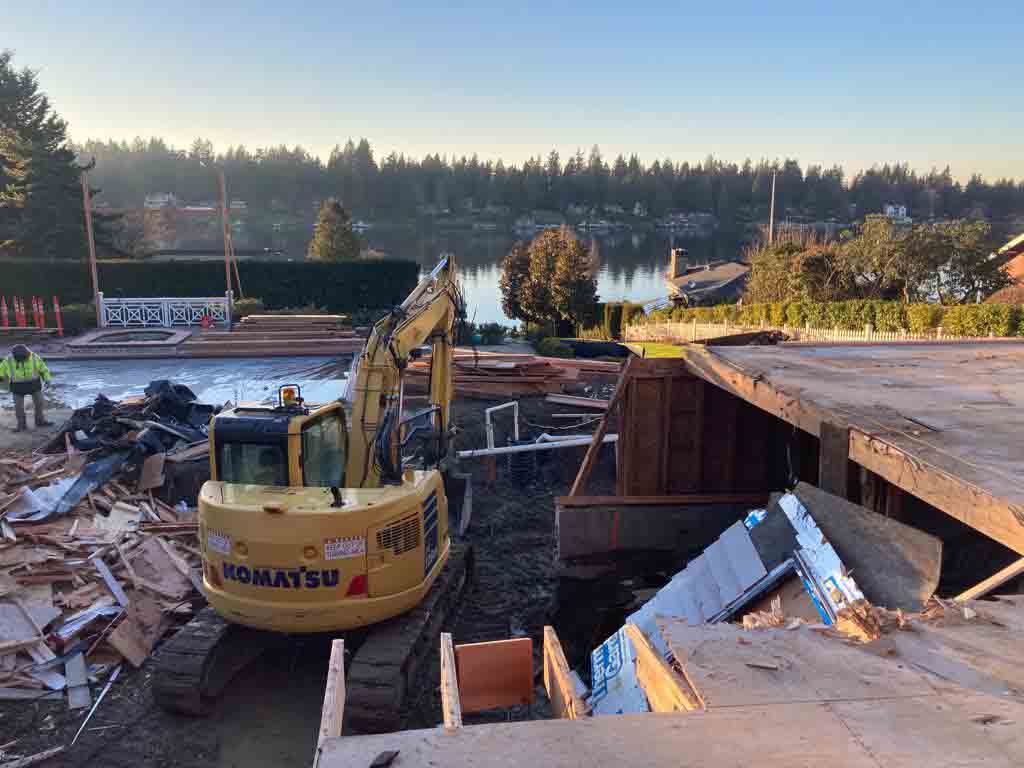
The Importance of Excavation in Construction
Excavation is a critical step in the construction process, forming the foundation for a range of projects from residential homes to large commercial buildings. Understanding the role of excavation can help both contractors and property owners appreciate its significance, ensuring that construction proceeds smoothly and safely.
What is Excavation?
Excavation refers to the process of moving earth, rock, or other materials from a site to prepare it for construction. This process can involve digging, trenching, and grading to create a level surface for building. The excavation process is essential for:
- Creating foundations for buildings
- Installing utilities such as water, gas, and electricity
- Improving drainage systems
- Preparing land for landscaping
The Role of Excavation in Construction Projects
Excavation plays several key roles in construction projects, including:
- Site Preparation: Excavation clears the site of obstacles and prepares the ground for construction activities.
- Foundation Stability: Proper excavation ensures a solid foundation, which is crucial for the structural integrity of the building.
- Utility Installation: Excavation allows for the installation of essential utilities, which are often placed underground.
- Drainage: Adequate excavation design helps in managing water flow and drainage, preventing future issues like flooding.
Types of Excavation
Understanding the different types of excavation can help in determining the appropriate methods for a specific project. The main types include:
- Grading: Leveling the land to create a flat surface.
- Trenching: Digging narrow trenches for utilities or foundations.
- Basement Excavation: Digging deeper foundations for basements.
- Site Clearing: Removing vegetation, debris, and obstacles from the site.
Excavation Techniques and Equipment
Different excavation projects require specific techniques and equipment. Common methods and tools include:
- Excavators: Heavy machinery used for digging and moving earth.
- Bulldozers: Used for grading and clearing the site.
- Backhoes: Versatile equipment for digging and lifting.
- Trenchers: Designed for digging narrow trenches quickly.
Safety Considerations in Excavation
Excavation work can pose significant safety risks. Key safety considerations include:
- Proper training for operators and workers.
- Use of safety gear, including helmets and vests.
- Regular inspections of equipment and site conditions.
- Implementing shoring or bracing to prevent cave-ins.
Conclusion
In conclusion, excavation is a foundational element of the construction process that cannot be overlooked. By understanding its importance, types, techniques, and safety measures, construction professionals can ensure successful project outcomes. For those looking to embark on a construction project, partnering with a reliable excavation company, like Hardground Excavation LLC, can make all the difference in achieving a safe and efficient build.