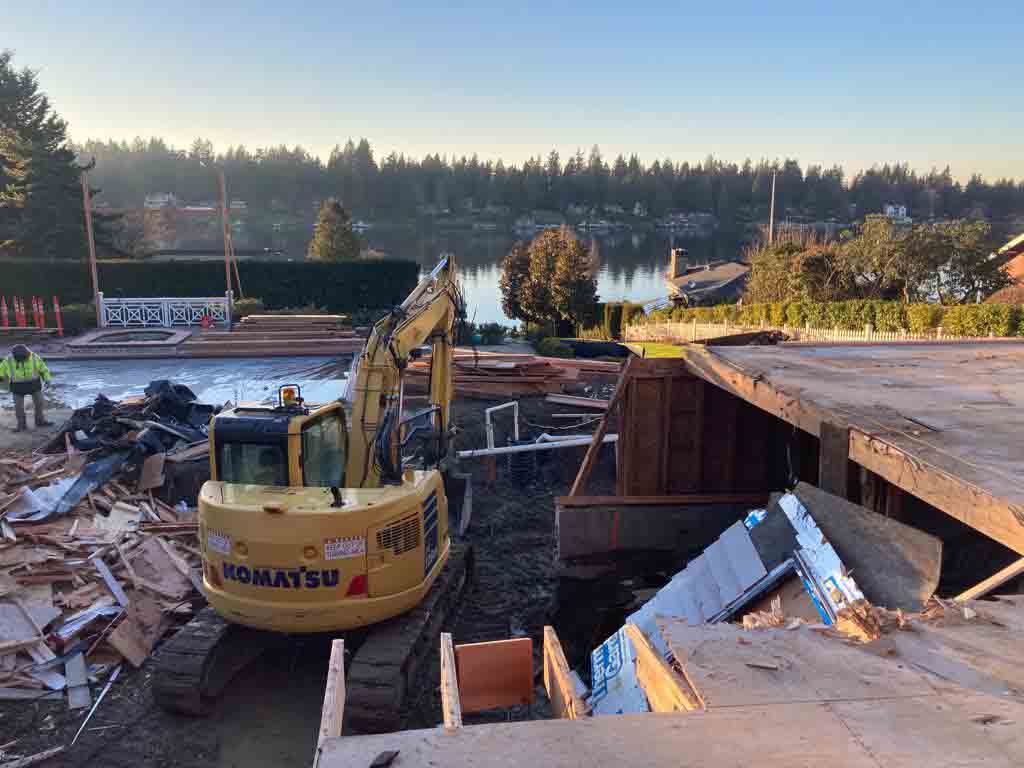
Eco-Friendly Excavation Practices
As the construction industry continues to evolve, the importance of sustainable and eco-friendly practices becomes increasingly evident. Excavation, a critical component of many construction projects, can have significant environmental impacts. This blog explores various eco-friendly excavation practices that not only minimize harm to the environment but also promote sustainability in construction.
Understanding Sustainable Excavation
Sustainable excavation refers to the practice of conducting excavation activities in a manner that reduces environmental degradation while promoting the preservation of natural resources. This approach ensures that the land is used wisely, and the ecosystem is protected during construction.
Key Principles of Sustainable Excavation
- Minimizing land disturbance
- Utilizing eco-friendly equipment
- Implementing effective waste management
- Protecting local wildlife and habitats
- Reusing and recycling materials
Eco-Friendly Excavation Techniques
Implementing eco-friendly excavation techniques can significantly reduce the environmental impact of construction projects. Here are some effective methods:
1. Use of Advanced Machinery
Utilizing modern, fuel-efficient machinery can dramatically lower emissions and noise pollution during excavation. Look for equipment that meets or exceeds environmental standards.
2. Soil Erosion Control
Employ erosion control methods such as silt fences, sediment basins, and vegetation cover to prevent soil erosion and protect water quality in nearby streams and rivers.
3. Water Management
Implementing effective water management strategies helps to prevent contamination and ensure that groundwater sources remain clean. Techniques can include capturing runoff and using permeable surfaces.
4. Waste Reduction Strategies
Reducing waste is crucial for eco-friendly excavation. This can be achieved through careful planning and by reusing excavated materials whenever possible.
5. Wildlife Protection Measures
Conducting environmental assessments prior to excavation can help identify sensitive habitats. Establishing buffer zones and timing construction to avoid breeding seasons are effective strategies.
The Benefits of Eco-Friendly Excavation
Embracing eco-friendly excavation practices offers numerous benefits, including:
- Reduced environmental impact
- Enhanced community relations
- Cost savings through efficient resource use
- Improved project sustainability
- Potential for government incentives and grants
Challenges in Implementing Eco-Friendly Practices
While the benefits are clear, there are challenges associated with implementing eco-friendly excavation practices, such as:
- Higher initial costs for eco-friendly equipment
- Need for specialized training for workers
- Regulatory hurdles and compliance requirements
- Potential delays due to environmental assessments
Conclusion
Eco-friendly excavation practices are essential for promoting sustainability within the construction industry. By adopting these methods, companies like Hardground Excavation LLC can contribute to environmental preservation while delivering quality excavation services. As the demand for sustainable construction continues to grow, embracing eco-friendly practices will not only benefit the planet but also enhance the reputation and success of excavation companies.