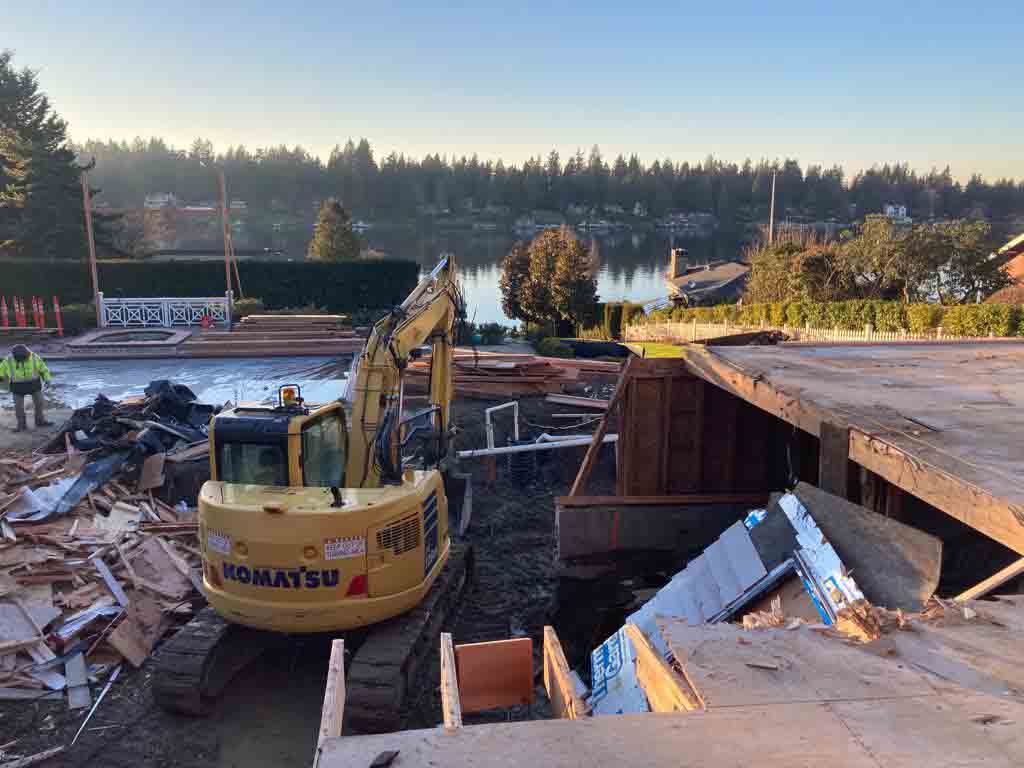
Excavation for Urban Development: Challenges and Solutions
Urban development is a critical aspect of modern society, and excavation plays a vital role in this process. However, urban excavation presents unique challenges that require innovative solutions to ensure successful project completion. In this blog post, we will explore the various challenges faced during urban excavation and the effective solutions that can be implemented.
Understanding Urban Excavation
Urban excavation refers to the digging, removal, and relocation of earth materials in urban settings. This process is essential for creating foundations, utilities, and other critical infrastructure in densely populated areas.
Key Aspects of Urban Excavation
- Foundation preparation for buildings
- Installation of underground utilities
- Site grading and leveling
- Excavation for roadways and pavements
Major Challenges in Urban Excavation
Urban excavation is fraught with challenges that can complicate the construction process. Some of the major challenges include:
- Limited space and accessibility
- Underground utilities and infrastructure
- Soil stability and geological conditions
- Environmental regulations and permits
- Noise and dust control requirements
Limited Space and Accessibility
In urban areas, the available space for excavation is often restricted. This limitation can hinder the movement of heavy machinery and the overall excavation process.
Underground Utilities and Infrastructure
One of the most significant challenges in urban excavation is the presence of existing underground utilities such as water, gas, and electrical lines. Striking these lines can lead to costly delays and safety hazards.
Soil Stability and Geological Conditions
Urban excavation often involves working with varying soil types and geological conditions, which can impact the stability of excavated areas and the safety of ongoing construction.
Environmental Regulations and Permits
Adhering to environmental regulations is crucial in urban excavation projects. Obtaining the necessary permits and following guidelines can be time-consuming and complex.
Noise and Dust Control Requirements
Urban excavation generates noise and dust, which can disrupt the surrounding community. Implementing effective control measures is essential to minimize these impacts.
Effective Solutions for Urban Excavation Challenges
To address the challenges of urban excavation, construction companies can implement several effective solutions, including:
- Utilizing advanced excavation equipment
- Conducting thorough site assessments
- Implementing utility mapping technologies
- Developing comprehensive project plans
- Engaging with local stakeholders
Utilizing Advanced Excavation Equipment
Investing in advanced excavation equipment, such as compact excavators and trenchless technology, can enhance efficiency and minimize disruption in urban environments.
Conducting Thorough Site Assessments
Comprehensive site assessments help identify potential challenges and risks before excavation begins. This proactive approach can prevent costly delays.
Implementing Utility Mapping Technologies
Utilizing utility mapping technologies, such as ground penetrating radar, can help locate underground utilities accurately, reducing the risk of damage.
Developing Comprehensive Project Plans
Thorough project planning, including timelines and contingency measures, can help navigate the complexities of urban excavation more effectively.
Engaging with Local Stakeholders
Engaging with local stakeholders, including residents and businesses, can foster goodwill and facilitate smoother project execution by addressing community concerns.
Conclusion
Urban excavation is a fundamental component of urban development that comes with its set of challenges. By understanding these challenges and implementing effective solutions, construction companies can ensure successful projects that contribute to the growth and infrastructure of urban environments. Embracing innovative technologies and collaborative approaches will not only enhance efficiency but also improve community relationships.