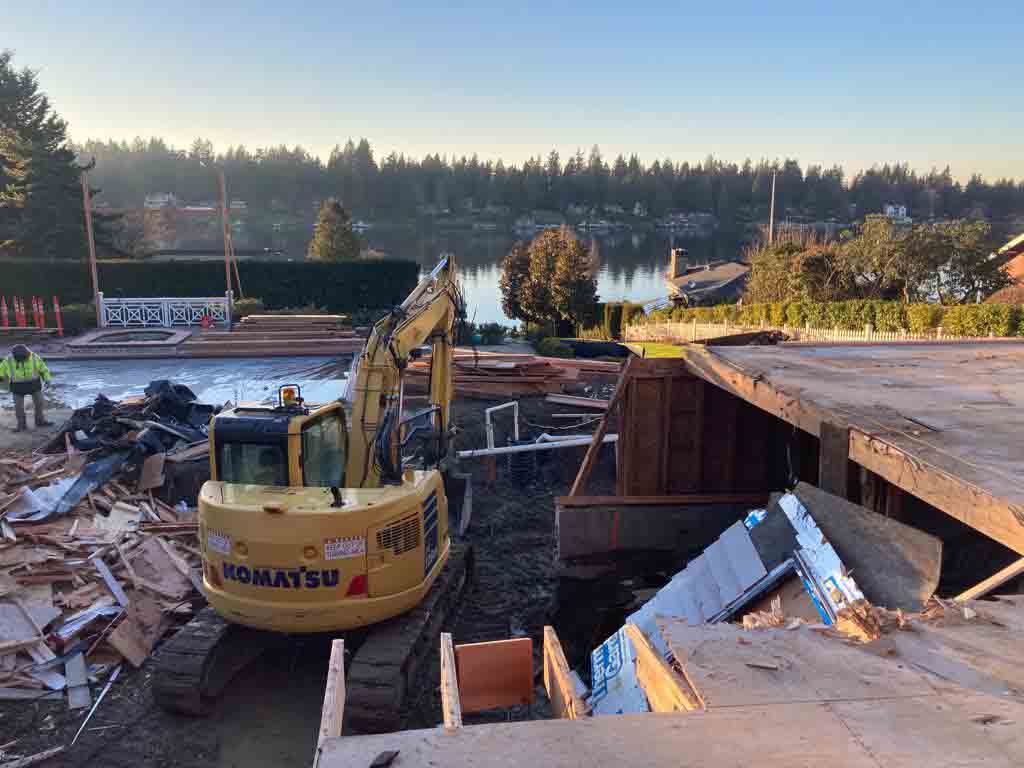
The Future of Hard Ground Excavation Techniques
As urban development accelerates and construction demands increase, the need for innovative excavation techniques has become paramount. Hard ground excavation presents unique challenges, but with the right strategies and technologies, these challenges can be effectively managed. This article explores the future of hard ground excavation techniques and their implications for the construction industry.
Understanding Hard Ground Excavation
Hard ground excavation refers to the process of removing soil or rock that is significantly denser and harder than typical excavation materials. This type of excavation is often required in urban areas where bedrock or compacted soils are common. Understanding the characteristics of hard ground excavation is essential for effective planning and execution.
Common Challenges in Hard Ground Excavation
- Increased wear and tear on equipment
- Higher operational costs due to specialized machinery
- Potential for safety hazards during excavation
- Difficulty in managing groundwater and drainage issues
- Longer project timelines due to complexity
Innovative Techniques for Hard Ground Excavation
As technology evolves, so do the methods used in hard ground excavation. The following techniques are shaping the future of this vital process:
- Use of high-performance drilling machines
- Implementation of advanced ground penetrating radar (GPR)
- Utilizing robotic excavation equipment
- Adopting environmentally friendly excavation methods
- Incorporation of 3D modeling for precise planning
High-Performance Drilling Machines
Modern drilling machines are designed to tackle hard materials with enhanced efficiency. These machines can penetrate through tough layers of soil and rock, significantly reducing excavation time.
Ground Penetrating Radar (GPR)
GPR technology allows for accurate subsurface mapping. By identifying the locations of rock, soil variations, and potential hazards, GPR can streamline the excavation process and minimize risks.
Robotic Excavation Equipment
The integration of robotics in excavation tasks enhances precision and safety. Robotic excavators can operate in challenging environments, reducing the risk to human workers.
Environmentally Friendly Methods
Sustainable excavation practices, such as using biodegradable lubricants and minimizing soil disturbance, are becoming increasingly important. These methods not only protect the environment but also comply with regulations.
3D Modeling for Planning
3D modeling technologies allow for accurate visualization of excavation sites. This advanced planning tool helps contractors anticipate challenges and optimize their excavation strategies.
The Role of Training and Safety in Hard Ground Excavation
As excavation techniques evolve, so too must the training and safety protocols surrounding them. Proper training ensures that operators are skilled in the latest technologies and techniques, minimizing the risk of accidents.
- Regular training sessions on new technologies
- Safety drills and emergency response training
- Use of personal protective equipment (PPE)
- Regular equipment maintenance and inspections
- Implementation of safety management systems
Conclusion
The future of hard ground excavation is poised for significant advancements. By embracing innovative techniques and prioritizing safety, construction businesses can enhance efficiency and reduce risks. As we move forward, staying informed about technological developments will be key to success in the excavation industry.