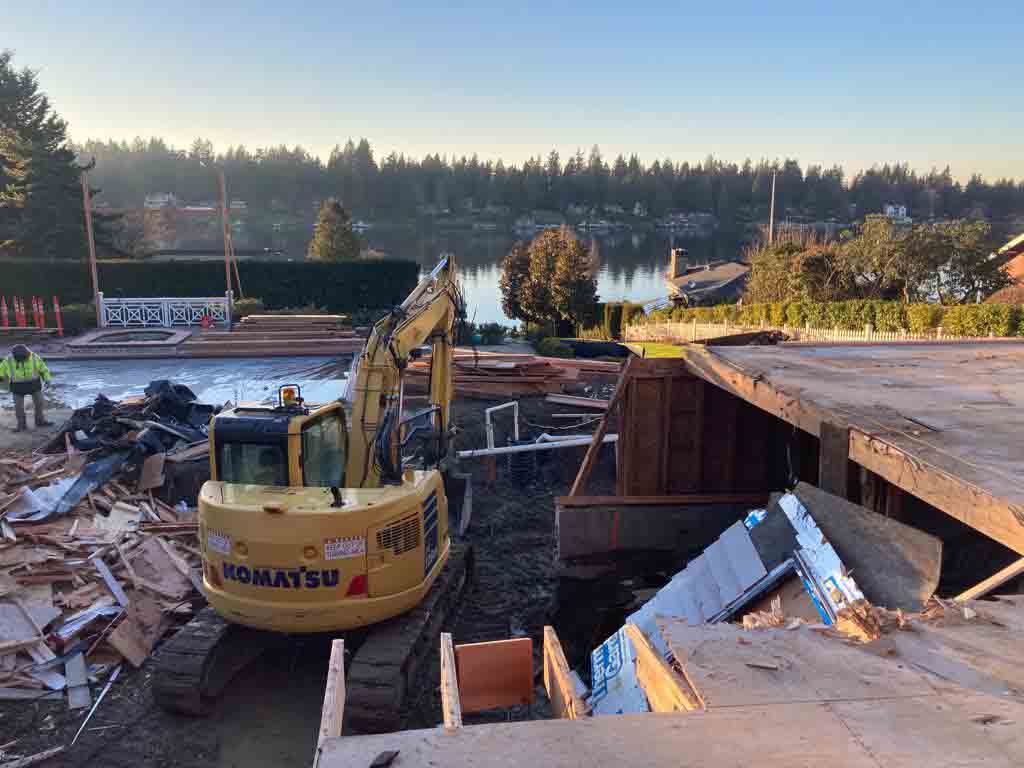
Safety First: Best Practices in Excavation
Excavation is a critical aspect of construction and civil engineering, but it also poses significant risks. Ensuring safety during excavation activities is paramount for the well-being of workers and the success of projects. This article outlines best practices in excavation safety that every contractor and worker should know.
Understanding Excavation Safety
Excavation safety involves the implementation of measures that protect workers from hazards associated with digging, trenching, and other excavation activities. These measures are designed to prevent accidents and injuries, ensuring that projects proceed smoothly.
Common Risks in Excavation
- Cave-ins and collapses
- Equipment accidents
- Falls from heights
- Underground utilities strikes
- Exposure to hazardous materials
Best Practices for Excavation Safety
Implementing best practices can significantly reduce the risks associated with excavation work. Here are some essential practices to follow:
1. Conduct a Site Assessment
Before starting any excavation work, conduct a thorough site assessment to identify potential hazards. This includes checking for underground utilities, soil composition, and environmental factors.
2. Develop a Safety Plan
Create a detailed safety plan that outlines procedures for excavation activities. The plan should include emergency response protocols, communication plans, and safety training for workers.
3. Use Protective Systems
Utilize protective systems such as trench boxes, shoring, and sloping to prevent cave-ins. Ensure that these systems are installed correctly and inspected regularly.
4. Ensure Proper Training
All workers involved in excavation should receive proper training on safety protocols and equipment usage. Regular refreshers and updates on best practices should also be provided.
5. Maintain Equipment
Regular maintenance and inspections of excavation equipment are vital. Ensure that all machinery is in good working condition and that operators are trained and certified.
6. Monitor Weather Conditions
Weather can significantly impact excavation safety. Monitor weather conditions closely and be prepared to halt work during adverse weather events such as heavy rain or storms.
7. Implement Traffic Control Measures
If excavation work affects traffic, implement appropriate traffic control measures. This may include signage, barriers, and flaggers to ensure safety for both workers and the public.
Conclusion
Excavation safety should always be a top priority in any construction project. By following best practices and staying vigilant, contractors and workers can minimize risks and create a safer working environment. Remember, safety is not just a requirement; it's a commitment to the well-being of everyone involved in the project.