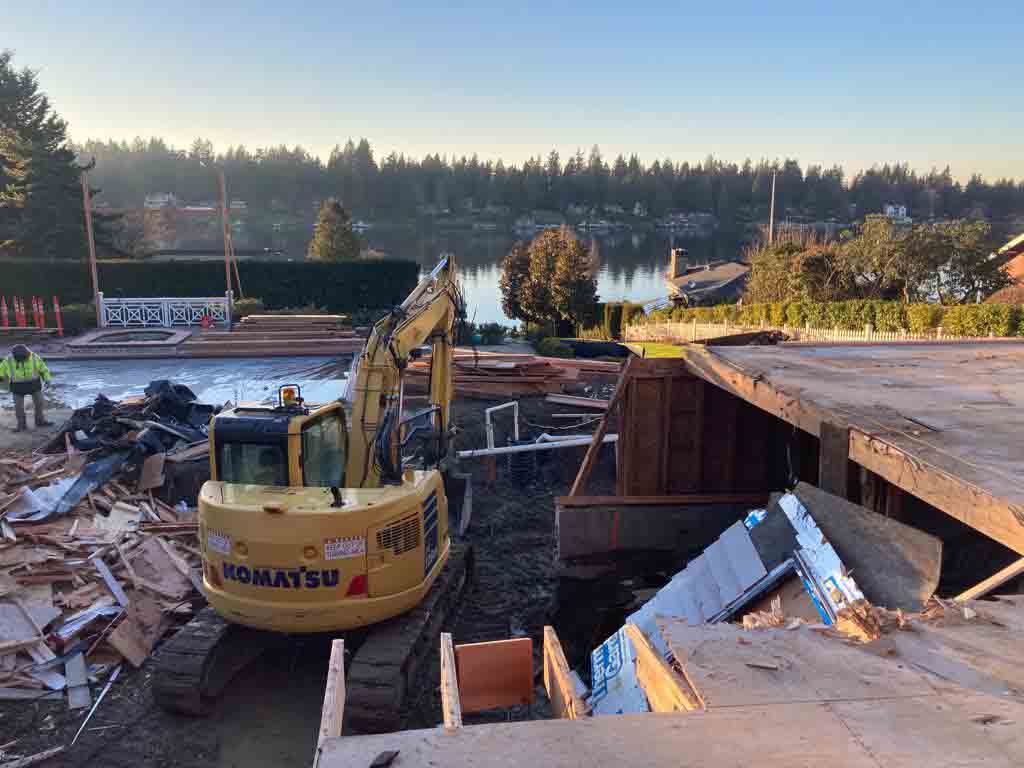
How Technology is Revolutionizing Excavation
The excavation industry has seen significant changes over the past few years, with technological advances driving efficiency, safety, and precision. This post will explore the innovative technologies reshaping excavation practices, including GPS, drones, and advanced machinery.
The Role of GPS in Excavation
Global Positioning System (GPS) technology has become a cornerstone in modern excavation. It allows for precise location tracking and measurements, which are crucial in construction and excavation work.
- Increases accuracy of digging
- Reduces material waste
- Enables real-time data collection
- Improves project management and scheduling
Benefits of GPS Technology
Utilizing GPS in excavation projects provides numerous advantages that enhance operational workflows:
- Enhanced accuracy reduces the risk of costly mistakes.
- Real-time updates allow for better decision-making.
- Integration with design software facilitates seamless project execution.
- Increases overall efficiency and productivity.
Drones: A Game Changer in Excavation
Drones have emerged as a revolutionary tool in the excavation industry, providing aerial perspectives that enhance site analysis and monitoring.
- Aerial mapping and surveying capabilities
- Ability to inspect hard-to-reach areas safely
- Improved communication through real-time footage
- Efficient site management and planning
How Drones Improve Excavation Processes
Drones enable excavation teams to gather data and insights that were previously difficult to obtain:
- High-resolution imagery for precise planning.
- 3D mapping for better visualization of project scope.
- Regular inspections reduce safety risks and enhance compliance.
- Time-saving in gathering site information.
Advanced Machinery and Automation
The advent of advanced machinery and automation has also transformed excavation. New equipment incorporates cutting-edge technology to enhance performance and safety.
- Automated systems reduce the need for manual intervention.
- Smart machinery can adapt to different ground conditions.
- Remote operation capabilities improve worker safety.
- Integrated sensors provide data analytics for better project control.
The Impact of Automation on Excavation Efficiency
Automation in excavation machinery leads to several operational improvements:
- Higher precision in excavation tasks.
- Decreased labor costs due to reduced workforce requirements.
- Faster project completion times.
- Enhanced safety protocols to minimize accidents.
The Future of Excavation Technology
As technology continues to evolve, the excavation industry will likely see even more innovations that increase efficiency and safety. Emerging technologies such as artificial intelligence and machine learning are expected to play pivotal roles.
- AI for predictive analytics in project planning.
- Machine learning for optimizing excavation techniques.
- Increased integration of IoT devices for real-time monitoring.
- Enhanced collaboration platforms for better communication.
Conclusion
The excavation industry is undergoing a significant transformation due to technological advancements. From GPS and drones to advanced machinery and automation, these innovations are enhancing efficiency, safety, and precision in excavation projects. Staying abreast of these technologies will be crucial for businesses in the excavation field to remain competitive and deliver exceptional results.