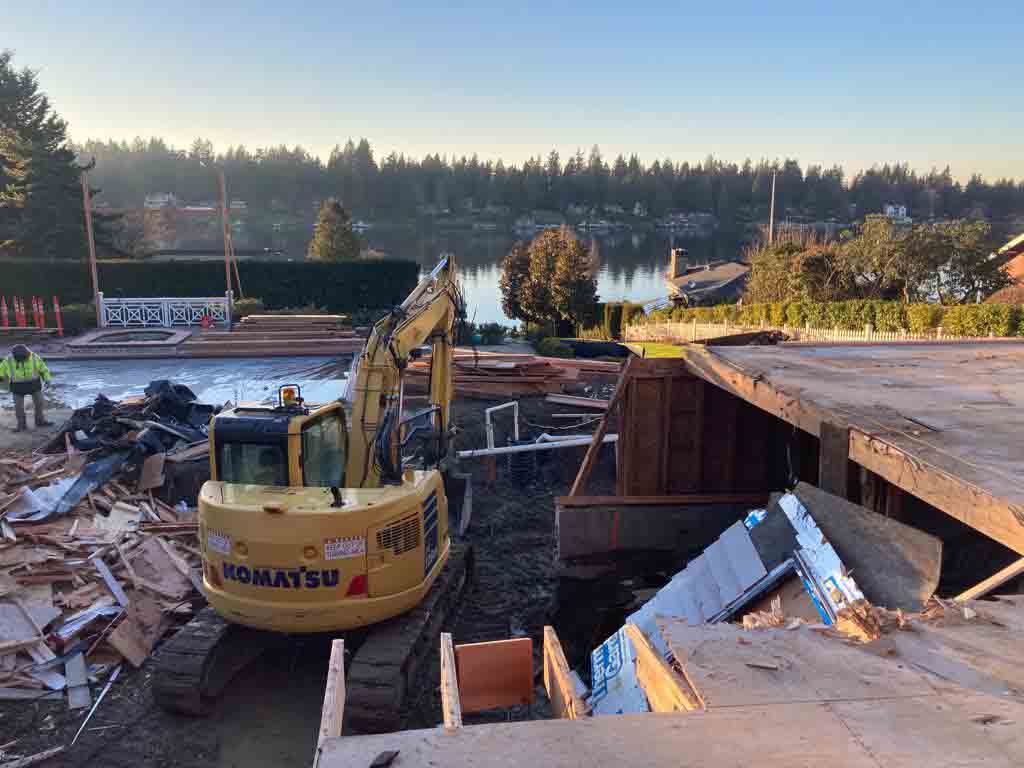
Understanding Soil Types for Better Excavation Planning
Excavation projects require meticulous planning and understanding of the various soil types present at a site. The characteristics of soil can significantly influence excavation methods, equipment choices, and project costs. In this blog post, we will delve into the different types of soil, their properties, and how they affect excavation planning.
Why Soil Type Matters in Excavation
The type of soil at a construction site plays a crucial role in determining the feasibility and safety of excavation. Here are some key reasons why understanding soil types is vital:
- Influences equipment selection
- Affects excavation depth and stability
- Impacts drainage and water management
- Determines project timeline and costs
Types of Soil Commonly Found in Excavation
Soils can be categorized into several types based on their composition, texture, and behavior. Here are the primary soil types encountered in excavation:
1. Clay
Clay soil is composed of fine particles and is known for its plasticity. It can retain water, making it challenging for excavation. Key characteristics include:
- High water retention
- Can become very hard when dry
- Difficult to excavate without proper methods
2. Sand
Sand soil consists of larger particles, which allows for good drainage. Its loose structure can lead to issues during excavation if not properly managed. Key characteristics include:
- Excellent drainage properties
- Low water retention
- Can collapse easily when excavated
3. Silt
Silt is made up of fine particles that are larger than clay but smaller than sand. It can hold moisture well and can be problematic when wet. Key characteristics include:
- Smooth texture
- Good nutrient retention
- Can become muddy and unstable when wet
4. Loam
Loam is a mixture of sand, silt, and clay and is often considered the best soil type for construction due to its balanced properties. Key characteristics include:
- Good drainage and moisture retention
- Easily workable
- Stable and supportive for construction
Geotechnical Engineering and Soil Testing
To accurately assess the soil types at a site, geotechnical engineering plays a critical role. This involves soil testing methods to gather data on soil composition and behavior. Here are some common testing methods:
- Standard Penetration Test (SPT)
- Cone Penetration Test (CPT)
- Soil Sampling (Disturbed and Undisturbed)
- Laboratory Testing for soil classification
Best Practices for Excavation Planning
When planning excavation, considering soil types and their properties can lead to more effective and efficient project execution. Here are some best practices:
- Conduct thorough soil testing early in the project
- Choose appropriate excavation equipment based on soil type
- Implement proper drainage solutions to manage water
- Plan for potential soil stabilization needs
Conclusion
Understanding soil types is essential for effective excavation planning. By identifying the characteristics of the soil at a site, excavation teams can make informed decisions that enhance safety, efficiency, and cost-effectiveness. Remember, investing time in soil assessment can save significant resources and prevent potential issues during the excavation process.